

Beijing, China. JMD joined the first group of companies participating in P1/P ONE, an initiative to standardize data exchange across printing and packaging equipment. The China Academy of Printing Technology (CAPT) launched the initiative at its printing innovation symposium on September 21, 2026. The event also introduced a C9 color evaluation system for sheetfed offset inks and examined how print manufacturers can connect equipment and production processes.
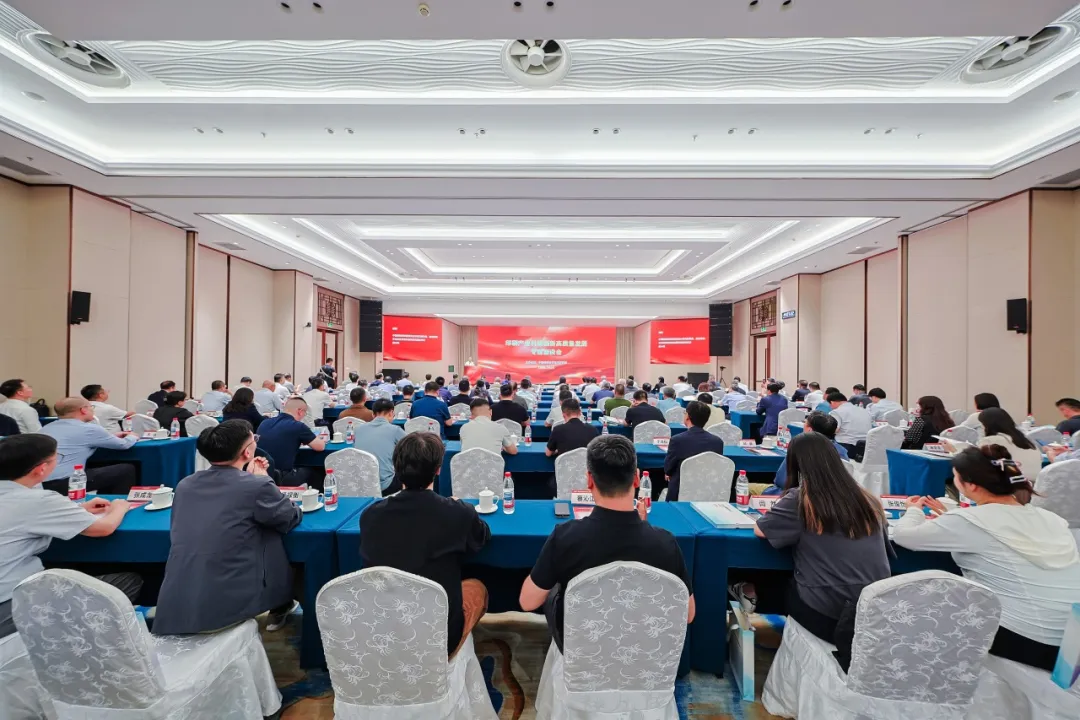
P1/P ONE sets out a common approach to equipment data
CAPT’s Peng Ming introduced P1/P ONE as a standards framework for printing and packaging equipment data interoperability. The proposed approach uses adapters to make equipment data available in a standardized form. That can help plants bring information from different machines into a shared production monitoring or management system.
CAPT signed cooperation agreements with JMD, Beiren Intelligent Equipment Technology and other early participants. At the symposium, the academy identified Tangshan Runfeng as the planned site for testing the framework across a production workflow.
For book manufacturers, the practical question is how production data can move across printing, folding, gathering, binding and trimming. A shared approach to equipment data can make it easier to see what is happening at each stage and coordinate work across the line.
C9 brings measurable color evaluation to offset inks
CAPT also introduced an ink color evaluation system for sheetfed offset printing, extending its C9 printing and packaging quality framework to a production material. The evaluation uses Lab color values and the ΔE00 color difference metric to quantify differences between measured colors.
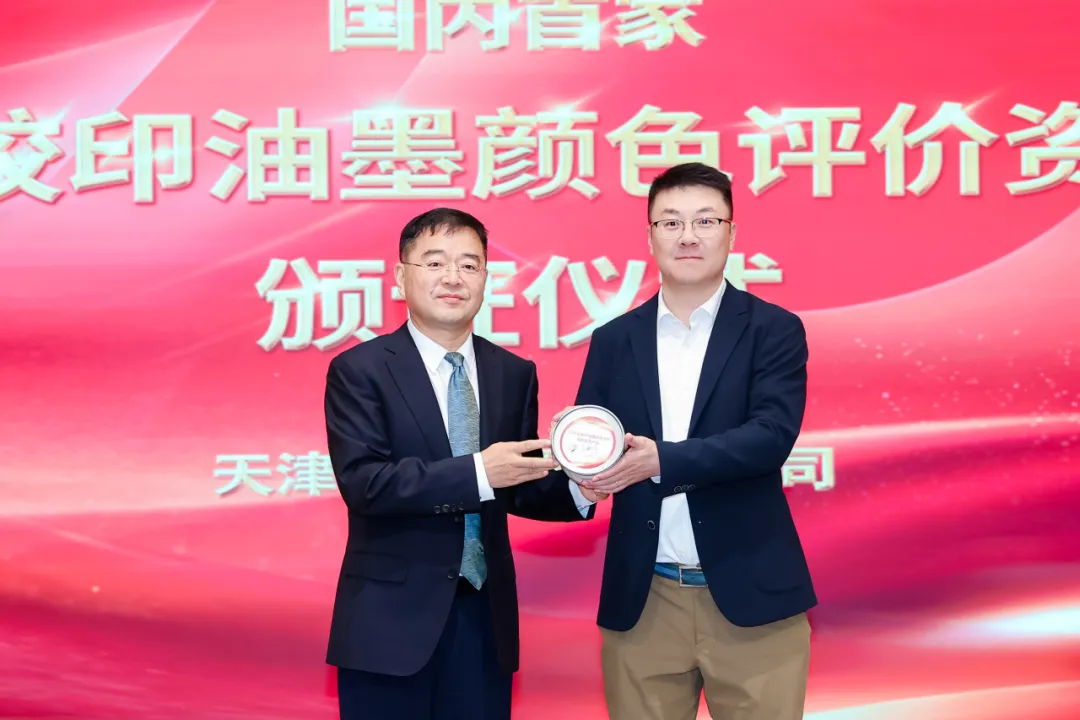
A common measurement method gives ink suppliers and printers a clearer way to compare color results across design, material selection, production and acceptance. CAPT presented a certificate to Tianjin Toyo Ink, which the event report identified as the first ink manufacturer to pass this evaluation.
Smart factory projects can start with a specific production need
Wu Xiaodong discussed staged adoption of smart manufacturing. A larger plant may pursue integration across its workflow, while a smaller operation can start with a targeted upgrade such as collecting machine data or digitizing quality records. The choice depends on the production problem and the equipment already in use.

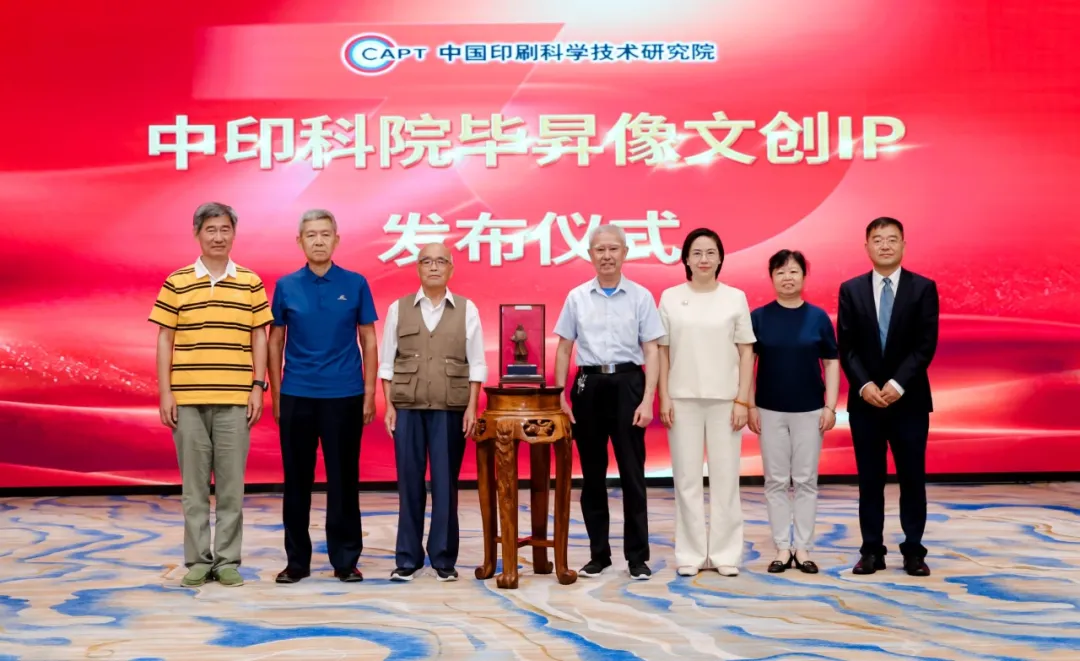
Qiang Yi discussed how standards can connect research with industrial practice, drawing on digital inkjet printing, quality control and equipment interoperability. Pu Jialing looked at printing as a method for precisely placing materials, with applications such as printed electronics. The program also marked seven decades of CAPT research and included the launch of a cultural project inspired by the academy’s statue of movable-type printing pioneer Bi Sheng.
What equipment interoperability means for post-press
Equipment connectivity and consistent quality measurements address different parts of the same production challenge. Connectivity helps teams share information across processes. A common measurement method helps them compare results. For book producers planning an integrated line, both are relevant when specifying how equipment and quality checks should fit into the workflow.
Explore JMD’s digital book production workflow and work on standards for perfect-bound books, or contact JMD to discuss your post-press requirements.
Frequently asked questions
What is P1/P ONE in printing?
P1/P ONE is CAPT’s initiative to standardize how printing and packaging equipment makes data available. Its adapter-based approach is intended to help different machines share data in a common format.
What did JMD sign at the Beijing symposium?
JMD signed a cooperation agreement with CAPT on September 21, 2026, as part of the first group of companies participating in the P1/P ONE initiative.
What does the C9 offset ink color evaluation measure?
The C9 sheetfed offset ink evaluation uses Lab color values and ΔE00 to quantify color differences. It gives ink manufacturers and printers a common basis for comparing measured colors.
Adapted from the China Academy of Printing Technology’s event report. Event photography is credited to the academy.