
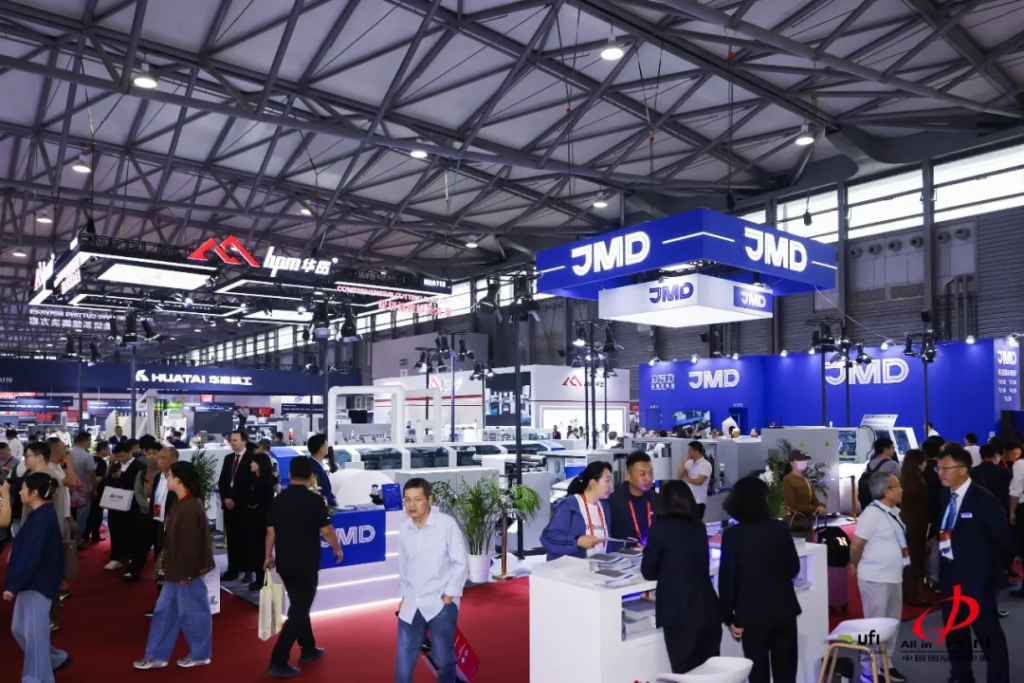
Shanghai, China — October 12, 2026. JMD showcased two digital book production configurations at All in Print China 2026, addressing different run lengths and book formats. Both use the Digital FoldLine 180 for roll-to-book-block processing: one pairs it with the Digital Robot 2000C for short runs of thick books; the other combines it with the Digital Robot 5000 for higher-volume production of thin books.
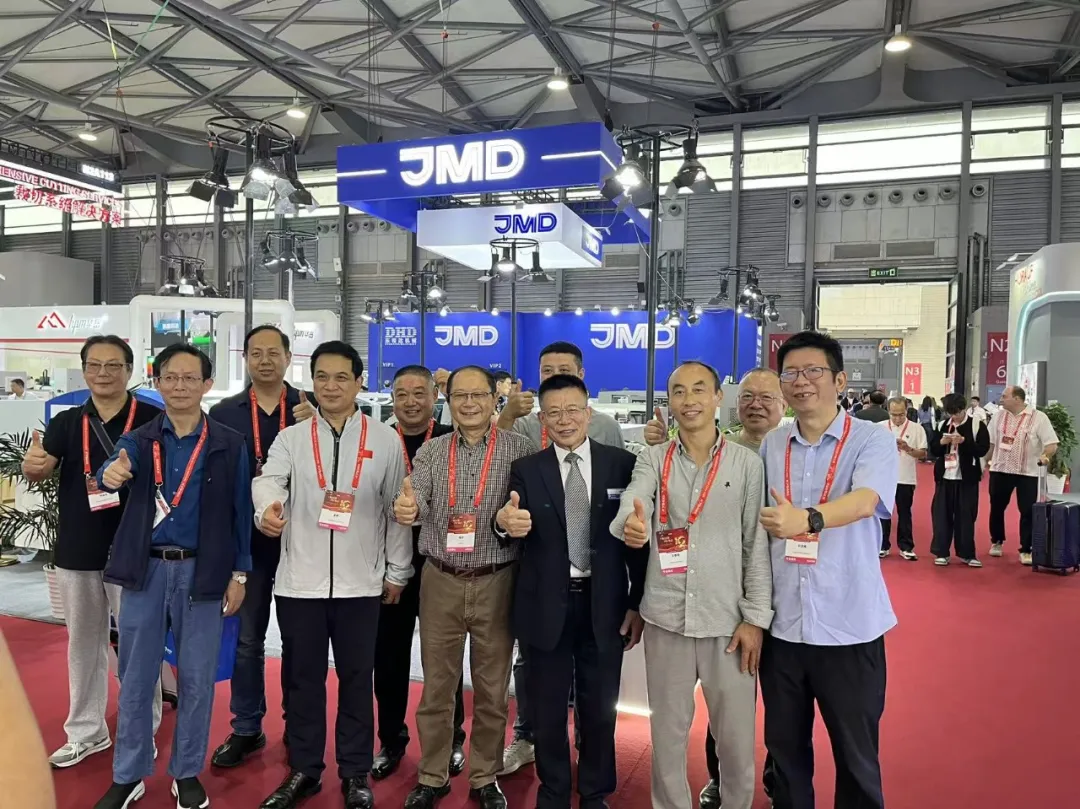
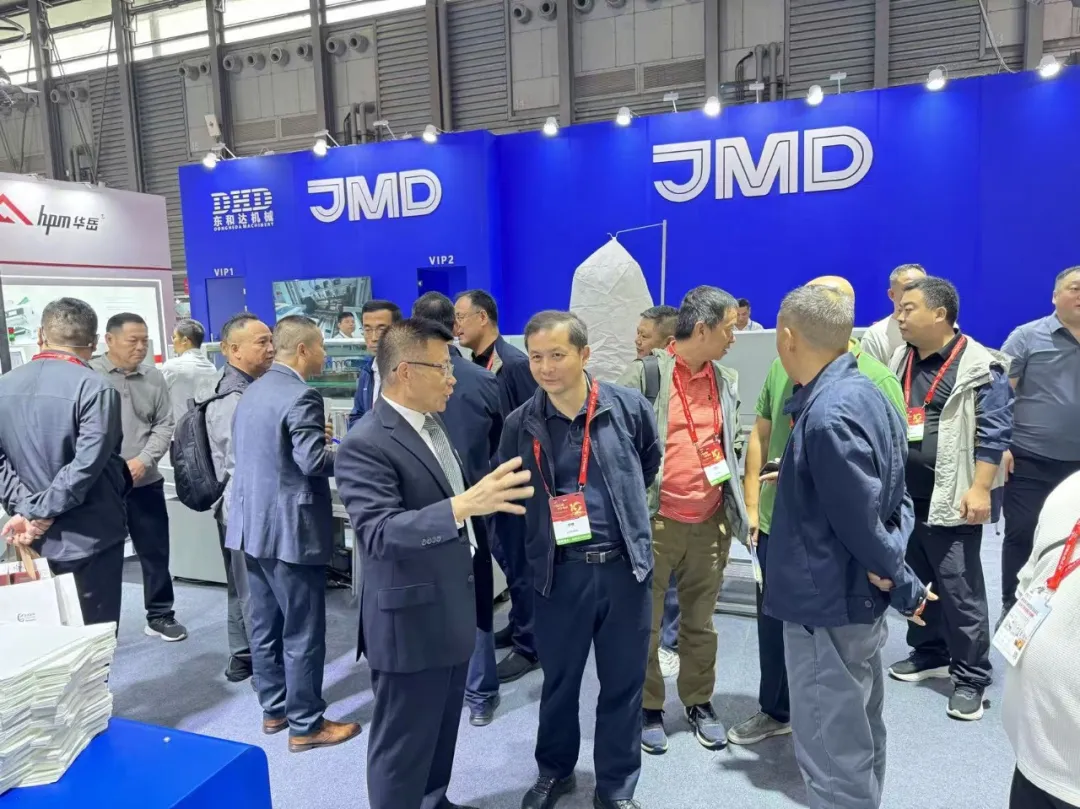
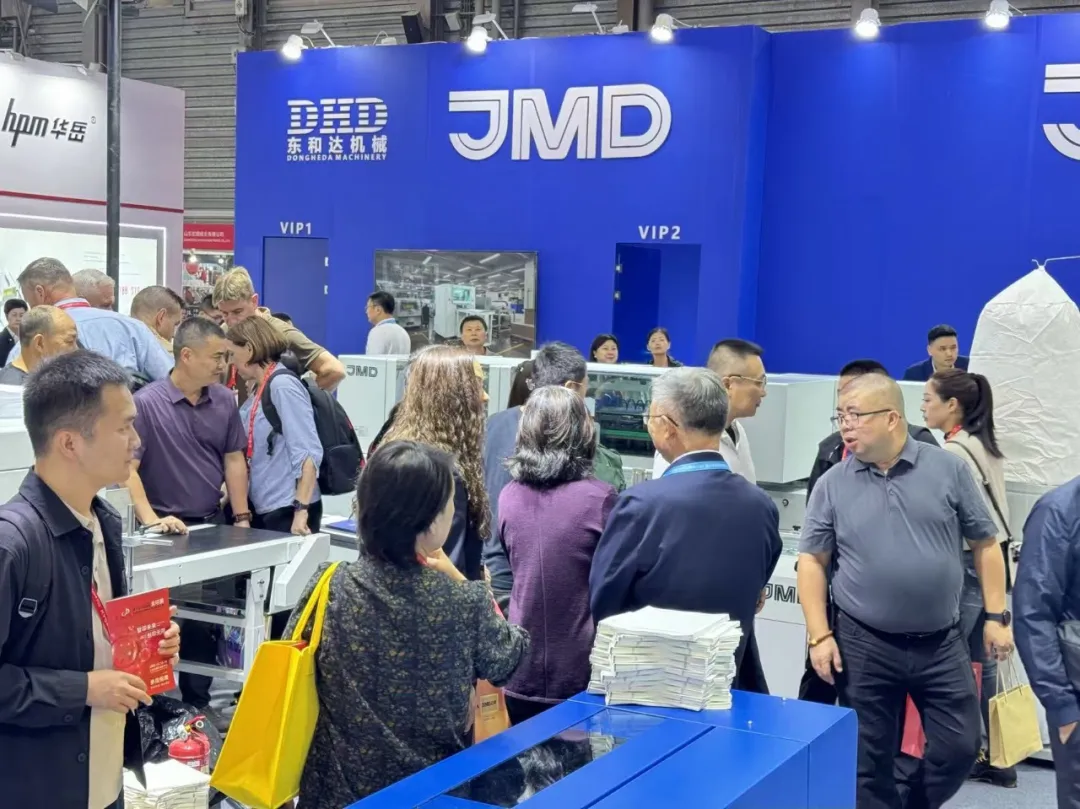
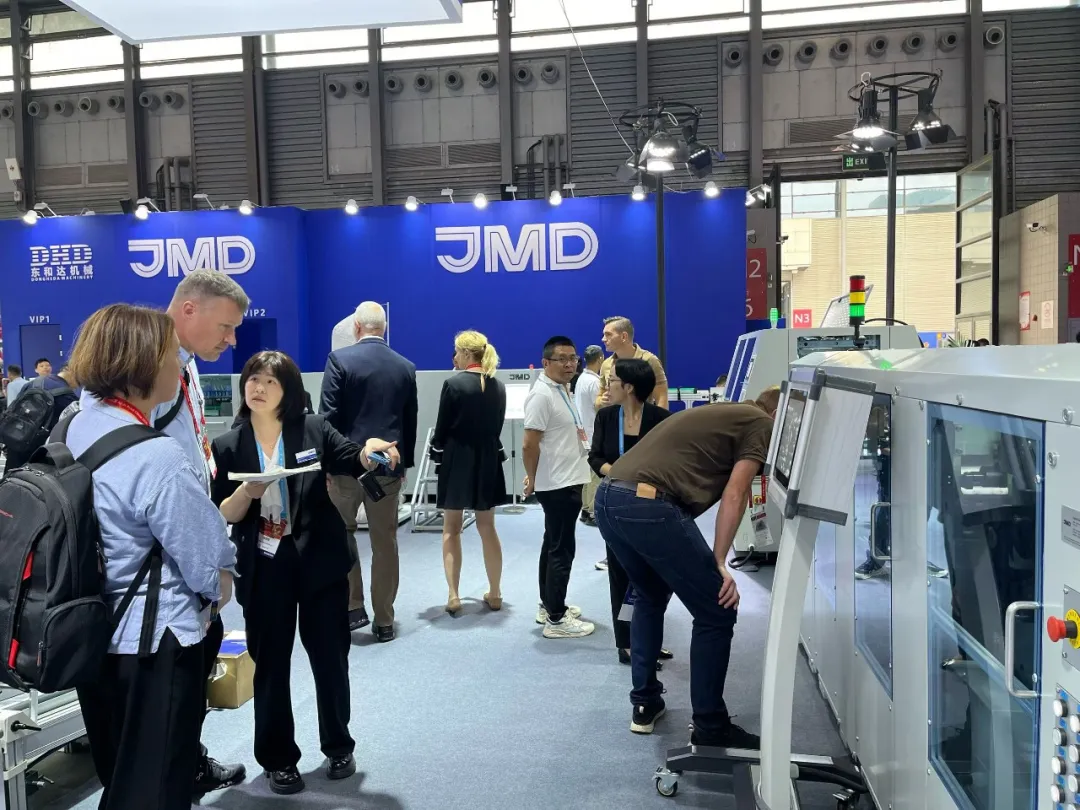
The opening-day demonstrations at Booth A111, Hall N2, at the Shanghai New International Expo Centre attracted visitors from China and international markets, including the United Kingdom, Brazil and Poland. The focus was on a practical challenge for book printers: matching finishing capacity and changeover requirements to increasingly varied digital print orders.
A common platform for digital book production
The Digital FoldLine 180 combines unwinding, folding, cutting, dot gluing and stacking to turn a printed web into book blocks ready for binding. The configuration presented at the exhibition operated at a web speed of 200 m/min, supporting production alongside digital inkjet presses.
The choice of binding system then determines how the workflow serves different production needs. JMD demonstrated two approaches.
Which configuration is designed for short runs of thick books?
The Digital FoldLine 180 + Digital Robot 2000C configuration is designed for short-run digital book production, where frequent job changes and varied formats make flexibility important.
The Digital Robot 2000C combines automatic book block feeding with perfect binding at 1,600 books per hour and format changeovers in 15 seconds. Together, the two systems provide a workflow for printers handling on-demand, personalized and other short-run book orders.
Which configuration supports higher-volume thin-book production?
The Digital FoldLine 180 + Digital Robot 5000 configuration addresses larger digital print orders for thin books. After the FoldLine forms the book blocks, the Digital Robot 5000 handles cover feeding and perfect binding at 5,000 books per hour.
This pairing combines higher binding throughput with rapid format changes, giving printers an alternative when production volume is the main consideration. The two configurations offer different ways to align digital finishing with a printer’s order mix.
Frequently asked questions
What is the difference between the two JMD configurations?
Both use the Digital FoldLine 180 to produce book blocks from a printed web. The Digital Robot 2000C configuration focuses on short runs of thick books, with binding at 1,600 books per hour and 15-second format changes. The Digital Robot 5000 configuration focuses on higher-volume thin-book production, with binding at 5,000 books per hour.
Are the web speed and binding speeds directly comparable?
No. The FoldLine’s 200 m/min figure describes the speed of the printed web. The binding figures describe books produced per hour. They measure different stages of the workflow and should be assessed alongside book format and job requirements.
Discuss your digital book production requirements
For more information about these configurations, contact JMD to discuss your book formats, typical run lengths and finishing requirements.