
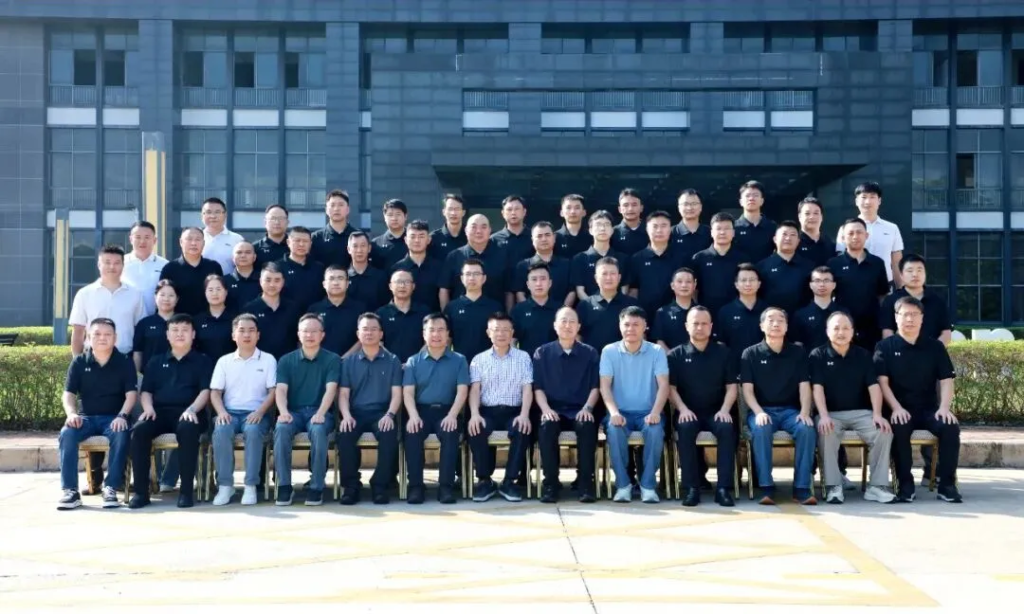
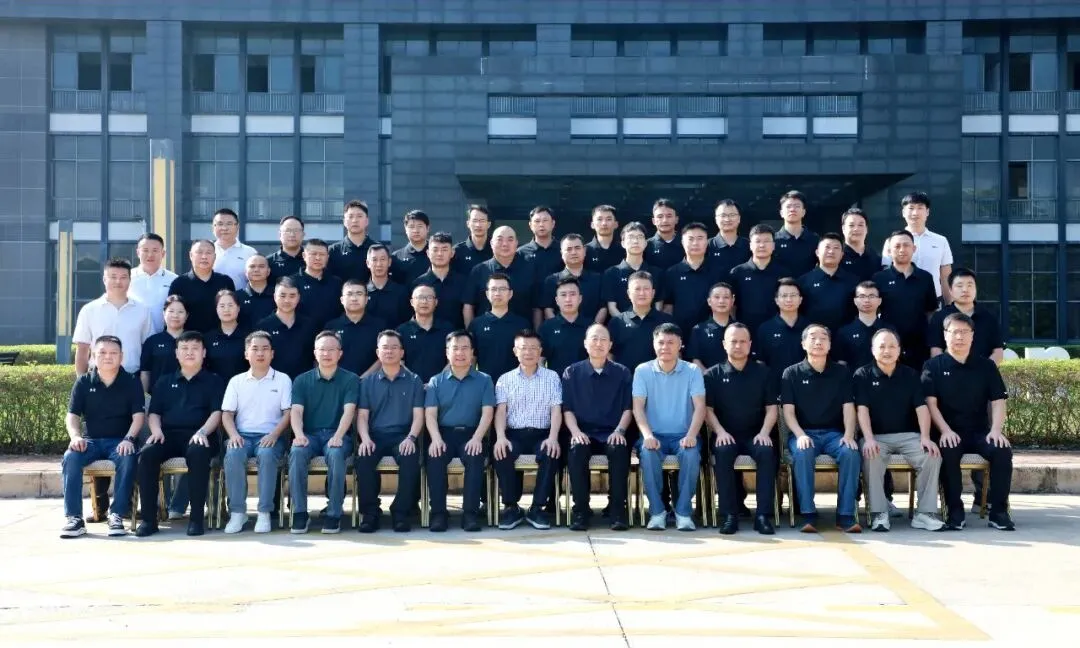
Shenzhen, China — October 28, 2026. JMD held its first advanced post-press management training program from October 21 to 23, bringing together binding managers from nearly 20 provinces and municipalities across China. Jointly organized with the Guangdong Printing and Replicating Industry Association, the three-day program focused on improving book and periodical binding quality through better production management, preventive maintenance and coordination across the finishing line.
Managing binding quality across the whole workflow
For book manufacturers, binding quality depends on more than the performance of an individual machine. Materials, job preparation, equipment condition and coordination between departments all affect finished-book consistency and delivery. The program connected these issues through expert presentations, peer discussions and visits to manufacturing and production facilities.
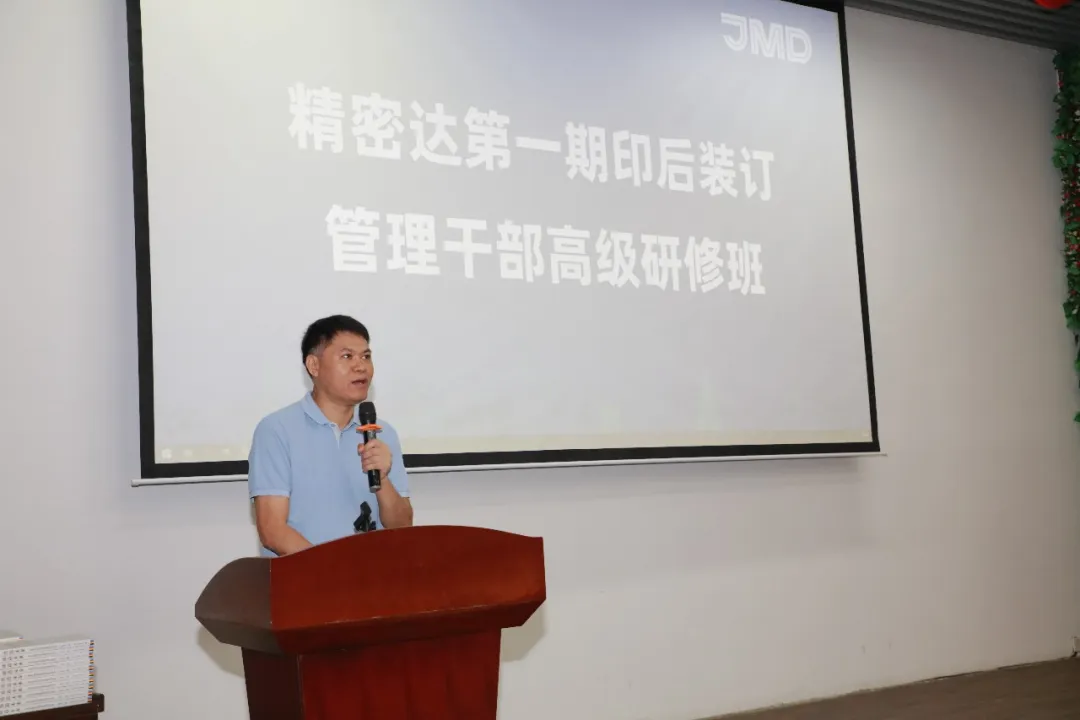
Opening the event, Li Jiong of the Guangdong Printing and Replicating Industry Association emphasized the importance of binding as the final stage of book production and quality control. The course brought together perspectives from publishing, print manufacturing and equipment supply to examine how managers can address quality across the complete workflow.
Connecting quality management with day-to-day production
Qiu Yingyi discussed quality culture and management awareness. Di Guowei, a senior researcher at People’s Education Press, examined developments and challenges in China’s book and periodical printing sector. JMD Chairman Zheng Bin addressed the shift from automation in individual machines toward integrated production systems, with a focus on costs, efficiency and overall performance.
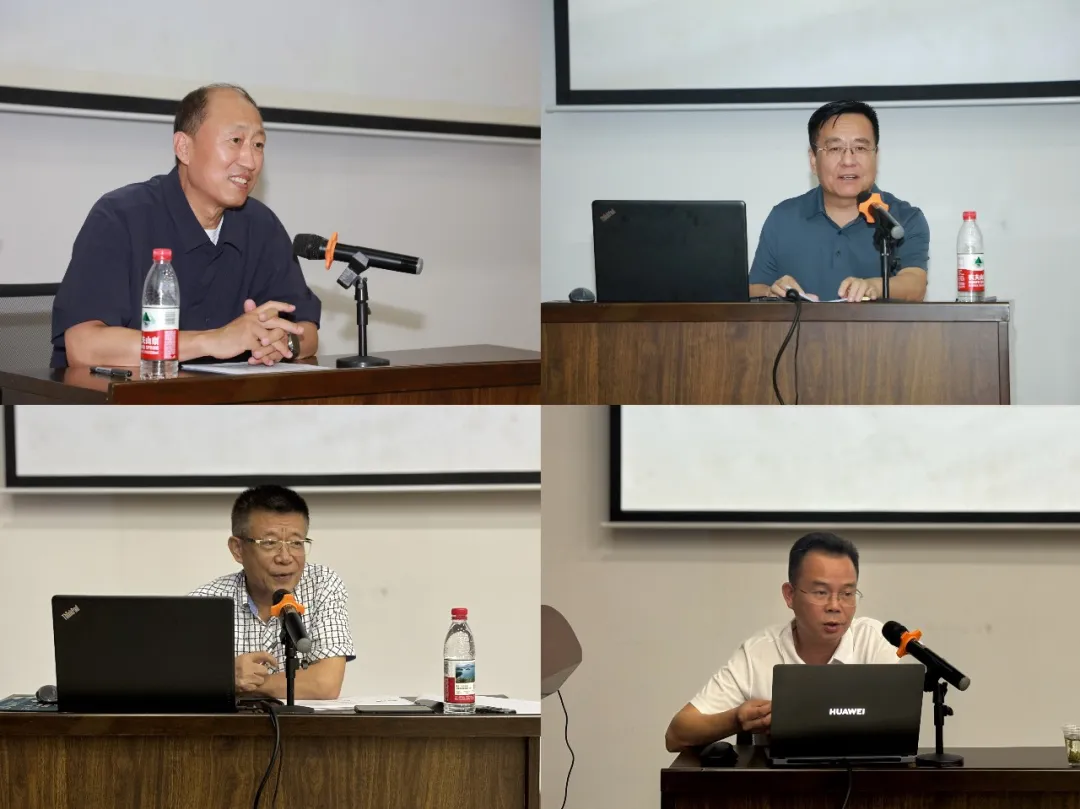
Ye Mingjian of Guangdong Xinhua Printing shared practical experience in production management and quality control. His presentation used machine data to explain the importance of cooperation between departments. JMD Deputy General Manager Liu Wen outlined post-press equipment solutions and the role of equipment planning in future production.
JMD’s customer service team also discussed common perfect-binding problems, maintenance practices and technical support. Contributions from Yin Yongjian, Yu Xiwang and Li Mengcheng connected proactive service and regular equipment care with the problems managers encounter on the production floor.
Seasonal output data highlights long-term equipment care
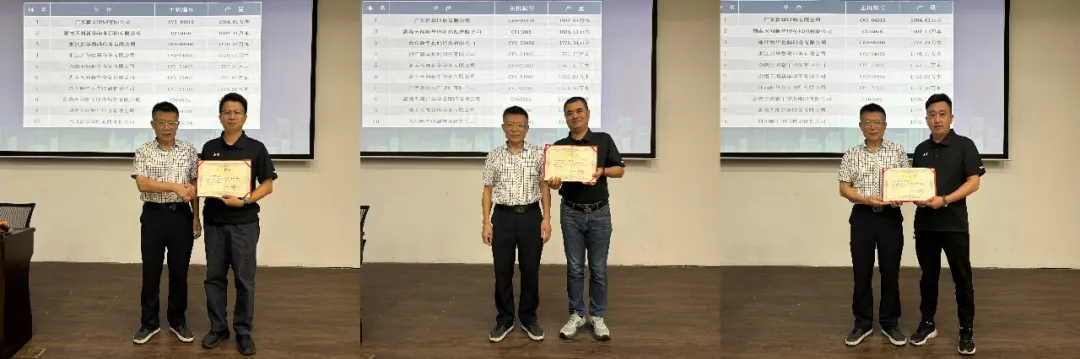
During the program, JMD recognized three printing companies for their single-machine output in the autumn 2026 textbook production season. The figures presented at the event, recorded as of August 31, 2026, were:
Guangdong Xinhua Printing: 19,846,100 copies; Hunan Tianwen Xinhua Printing Shaoyang: 18,041,100 copies; and Zhejiang Xinhua Digital Printing: 17,783,400 copies.
The reported average among the top ten machines was approximately 17.405 million copies. These figures describe cumulative output for the reported production season; they are not hourly machine speeds or guaranteed production results.
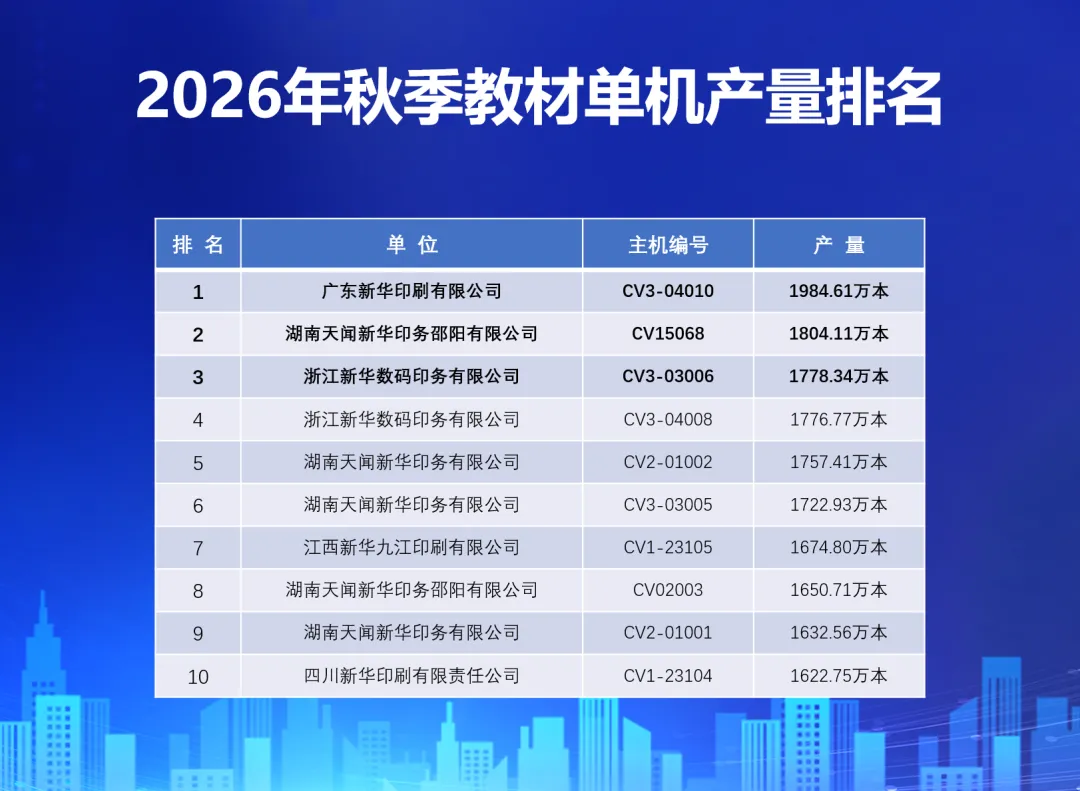
One example discussed was a JMD Cambridge-12000 perfect binder installed at Hunan Tianwen Shaoyang in 2015. The machine appeared eighth in the reported ranking after more than a decade in service. For participants, the example linked long-term equipment care with sustained production performance.
Practical questions and experience from printing companies
Managers from nearly 20 printing enterprises shared production experience and raised technical questions. Participating companies included businesses from the Hunan Tianwen, Jiangsu Phoenix, Anhui Xinhua, Zhejiang Xinhua and other printing groups. Discussions addressed equipment reliability, scheduled maintenance, production coordination and recurring binding challenges.
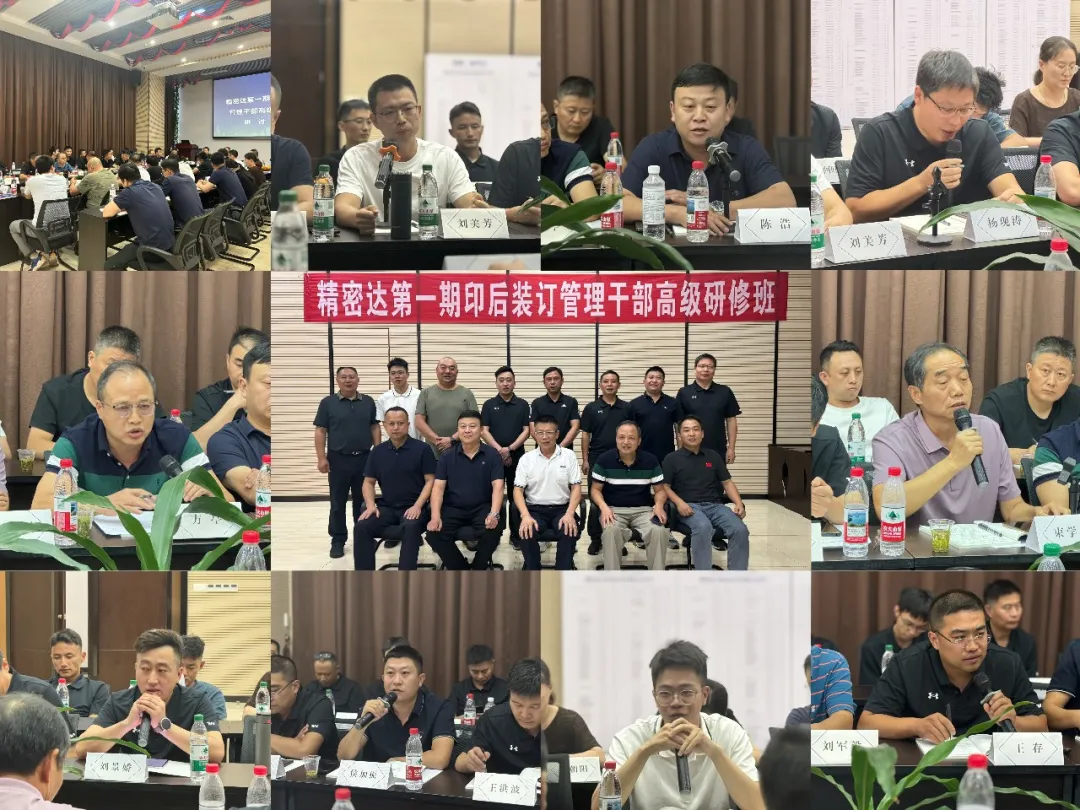
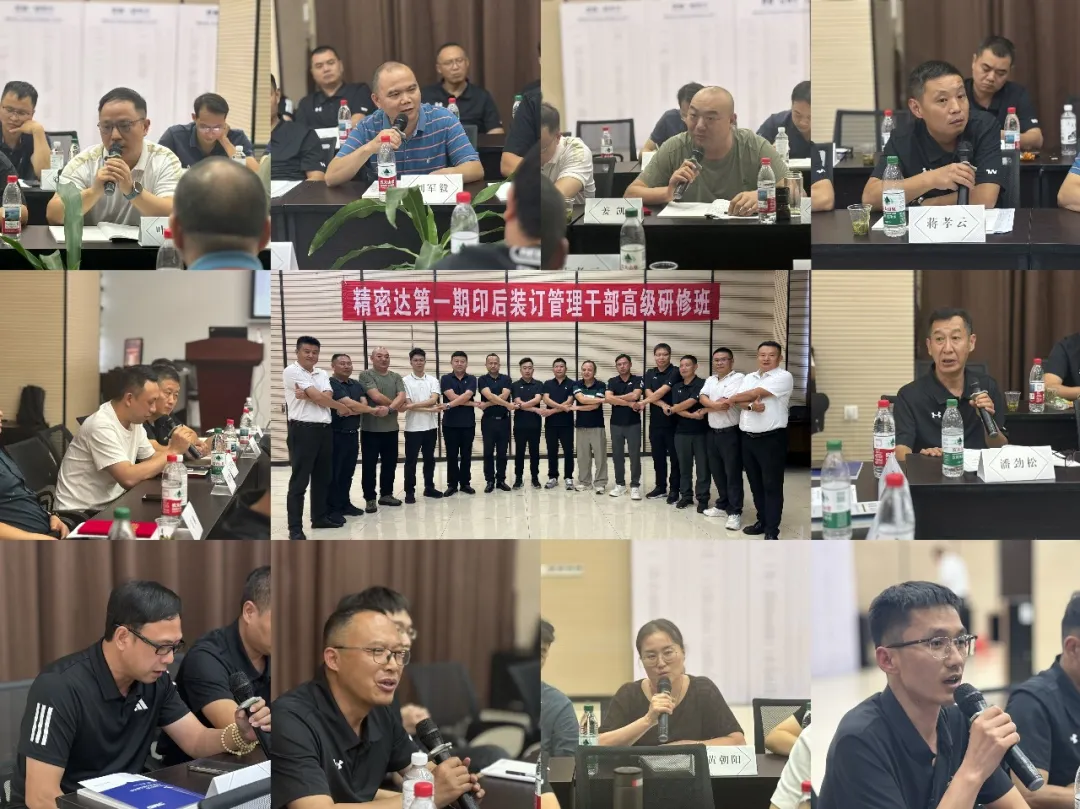
Instructors and JMD’s Customer Service Center answered questions during the sessions or assigned follow-up support where further work was needed. Participants also established a cohort committee to support continued exchange after the course.
Factory visits put the discussions into context
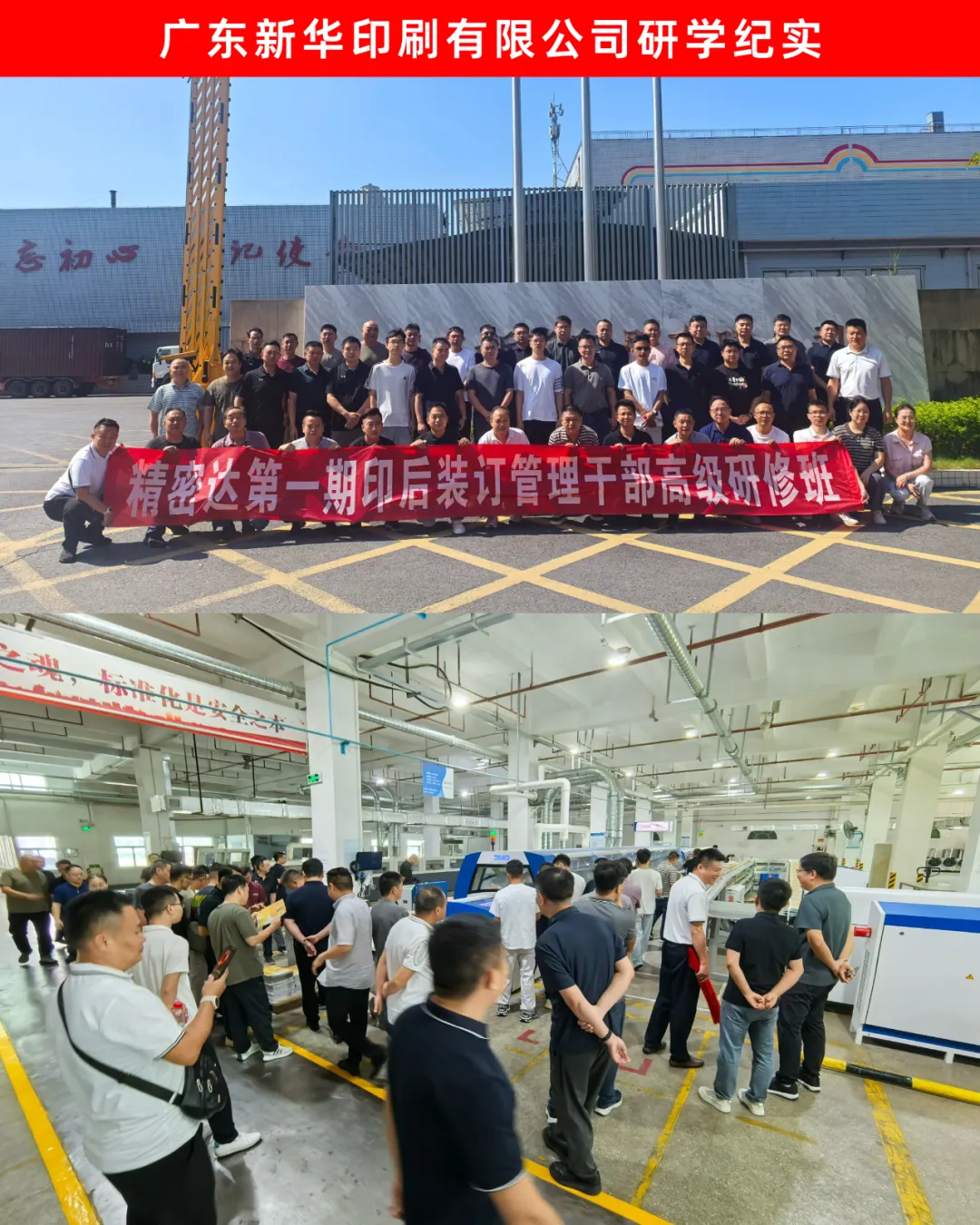
The program included a visit to JMD’s manufacturing workshops and a production visit to Guangdong Xinhua. At JMD, participants examined the manufacturing and process details of perfect-binding lines, including Newbridge. At Guangdong Xinhua, they observed binding equipment in operation and discussed production management practices.
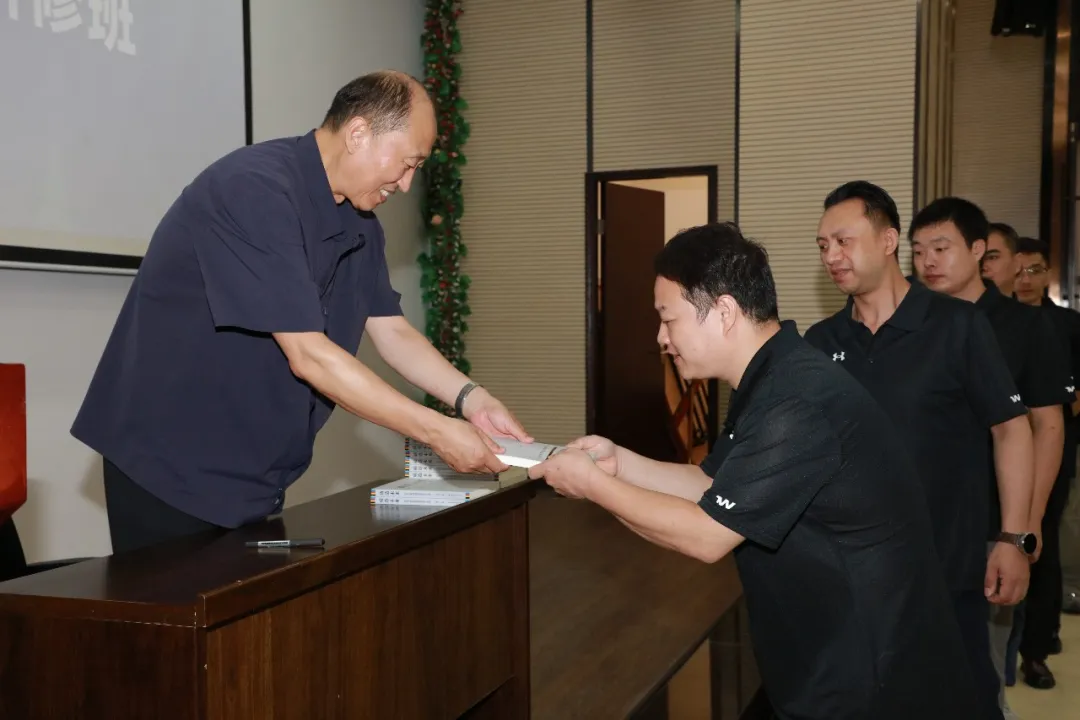
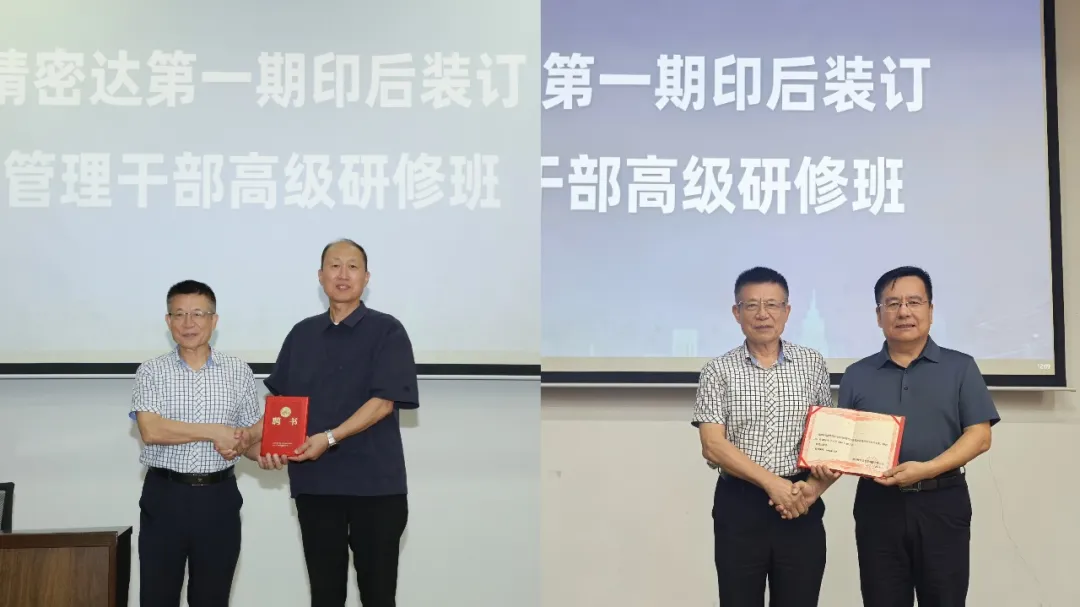
The course also included signed book presentations by Qiu Yingyi and the appointment of Qiu Yingyi and Di Guowei as JMD expert advisers. These activities supported JMD’s plan to continue the management training program with contributions from specialists across the industry.
What the program means for book manufacturers
The central message was practical: equipment investment, maintenance and production management need to work together. By combining expert instruction with customer experience and factory visits, the program gave binding managers a forum to examine quality and efficiency across an entire production system.
JMD plans to continue the program with industry partners. For information about binding equipment and support for your production requirements, explore JMD’s print finishing solutions or contact JMD.
Frequently asked questions
When and where was JMD’s post-press management training held?
The three-day program took place in Shenzhen, China, from October 21 to 23, 2026. It was jointly organized by JMD and the Guangdong Printing and Replicating Industry Association.
What did the training cover?
The program covered book and periodical binding quality, production management, preventive maintenance, common perfect-binding problems and coordination across post-press workflows. It combined presentations, peer discussions and factory visits.
Do the production figures describe hourly binding speeds?
No. The output figures presented at the event are cumulative single-machine totals for the autumn 2026 textbook production season, recorded as of August 31, 2026. They do not describe hourly speeds or guaranteed output for other jobs.